
Ancient roots
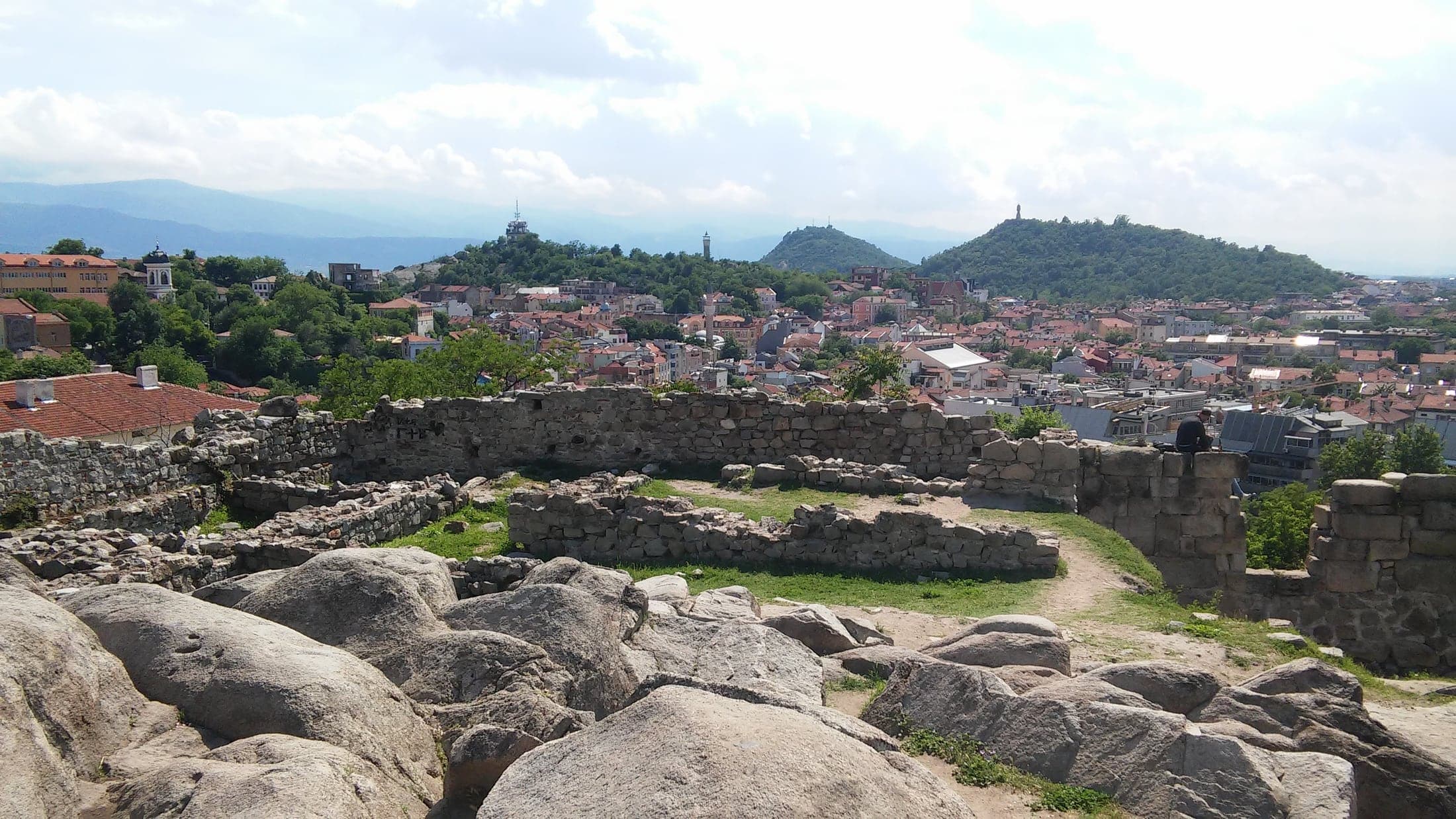
The Three Hills preserve traces of the earliest settlements and the ancient city known as Philippopolis during the Roman period.
Discover the city
Plovdiv brings together a heritage spanning millennia with creative neighbourhoods, green spaces, and a relaxed urban atmosphere. Traces of Thracian, Roman, Byzantine, Ottoman, and Bulgarian Revival history remain part of the modern city and can be explored on foot.
The Three Hills preserve traces of the earliest settlements and the ancient city known as Philippopolis during the Roman period.
The Ancient Theatre, Roman Stadium, Forum, and Odeon reveal the city's importance as a major centre in the province of Thrace.
Cobbled streets, churches, and richly decorated Bulgarian Revival houses form one of the country's most recognisable architectural ensembles.
Galleries, festivals, independent studios, and the Kapana district continue Plovdiv's cultural tradition in a contemporary form.
Most central attractions are close to one another and can be combined into a walking route.
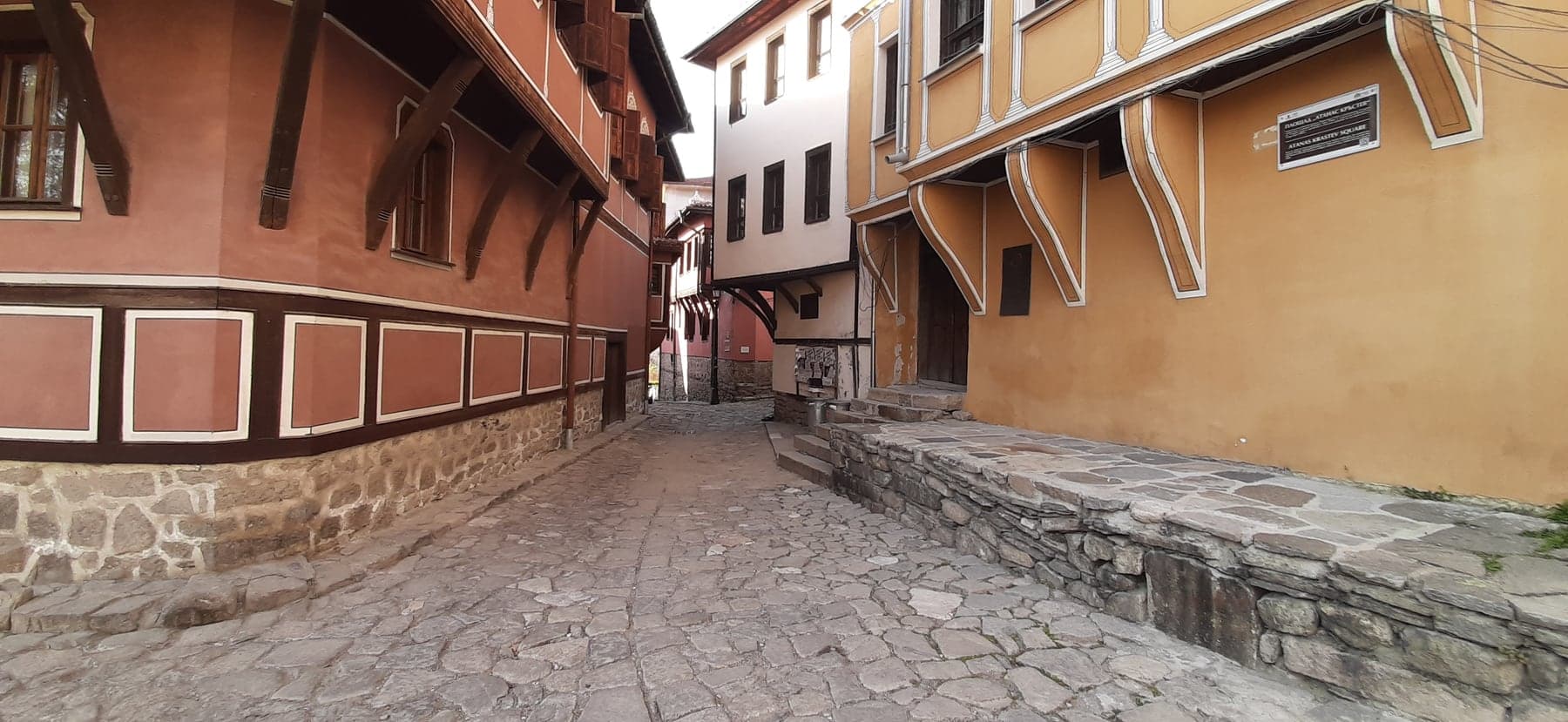
Walk along cobbled streets between Revival houses, museums, galleries, Hisar Kapia, and Nebet Tepe.
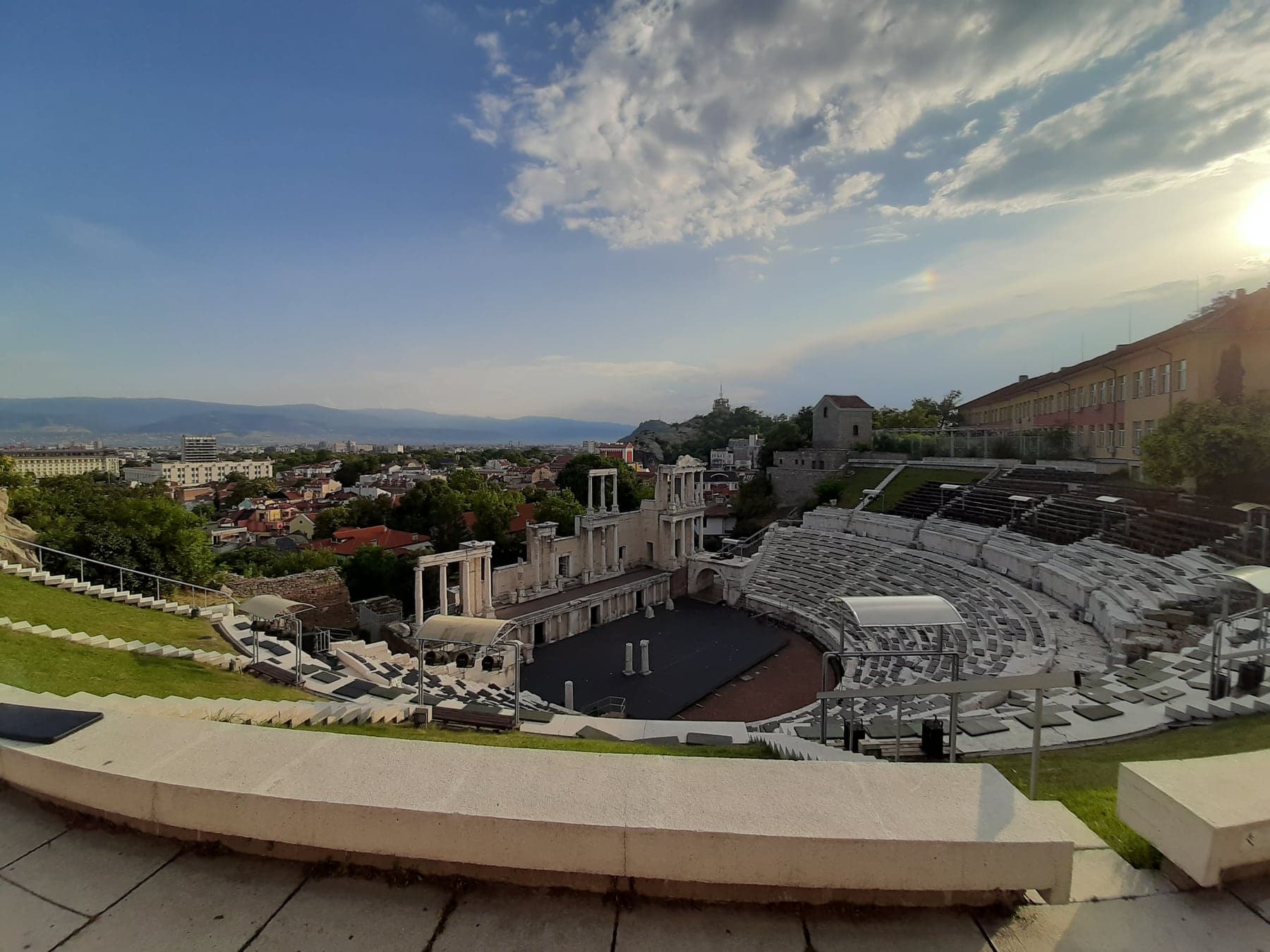
One of Plovdiv's defining landmarks and a striking example of Roman architecture that continues to host cultural events.
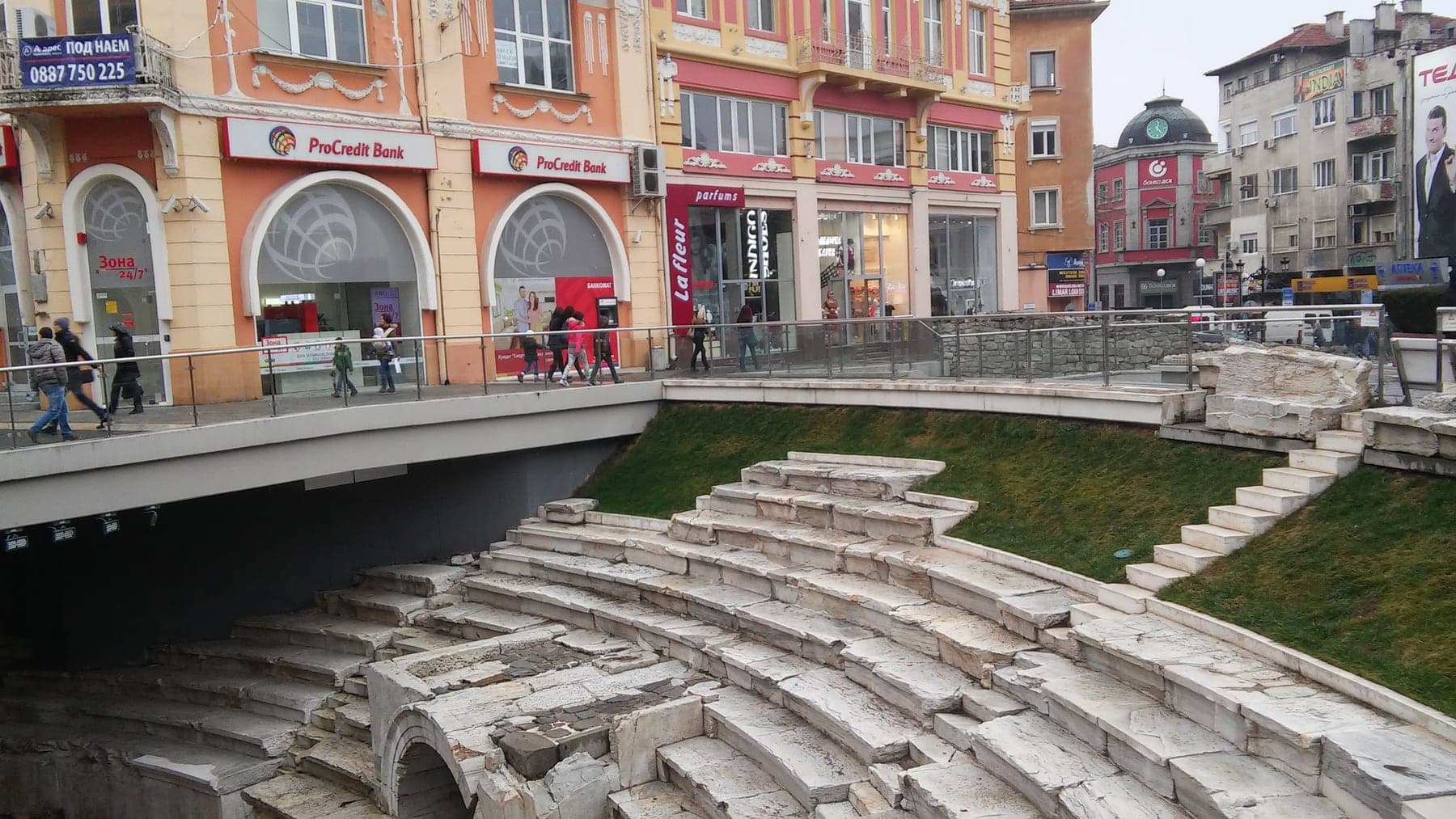
Part of the ancient structure is visible at Dzhumaya Square, beside the main pedestrian street.
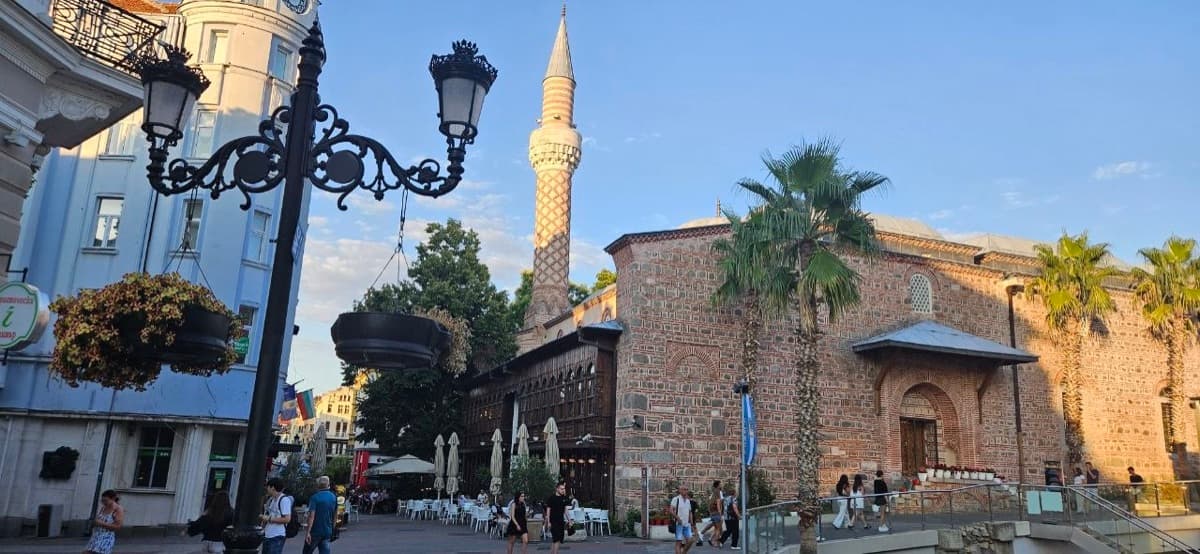
A historic mosque in the heart of Plovdiv, beside the Roman Stadium and the main pedestrian street.
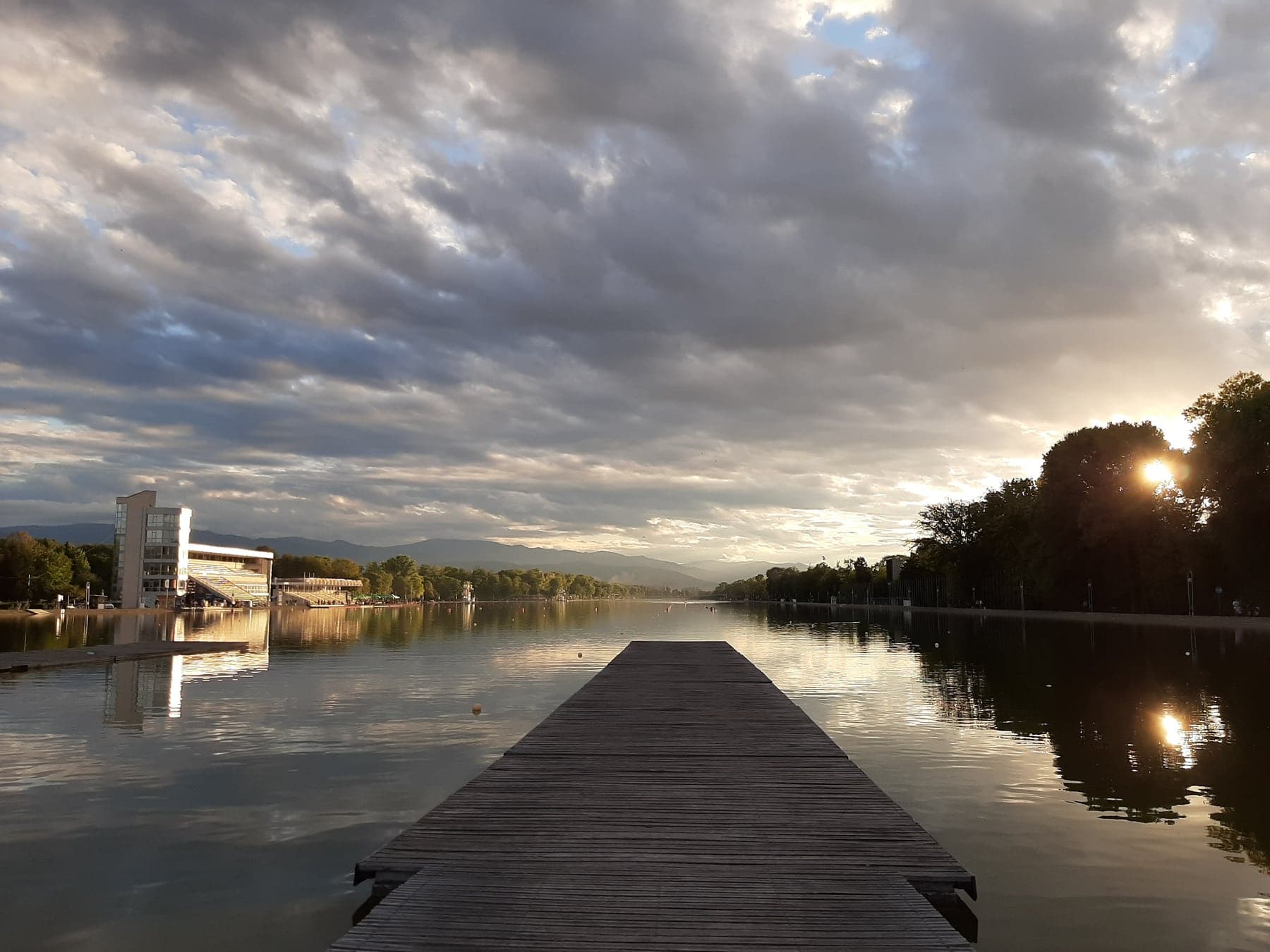
A peaceful green area for walking, running, and cycling beside the water that also hosts sporting events.
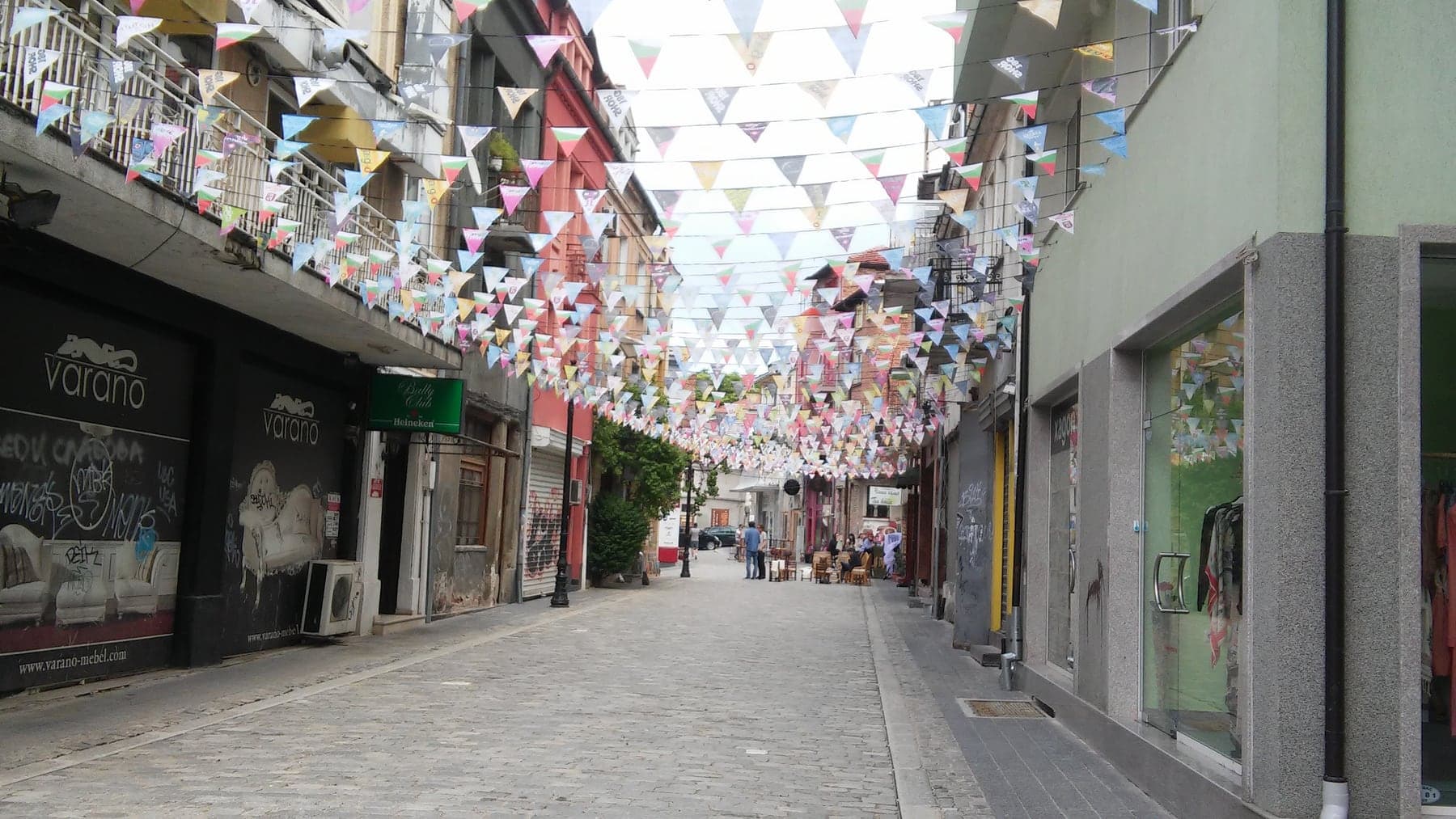
A creative district of narrow streets, studios, galleries, cafés, and restaurants beside the Old Town.
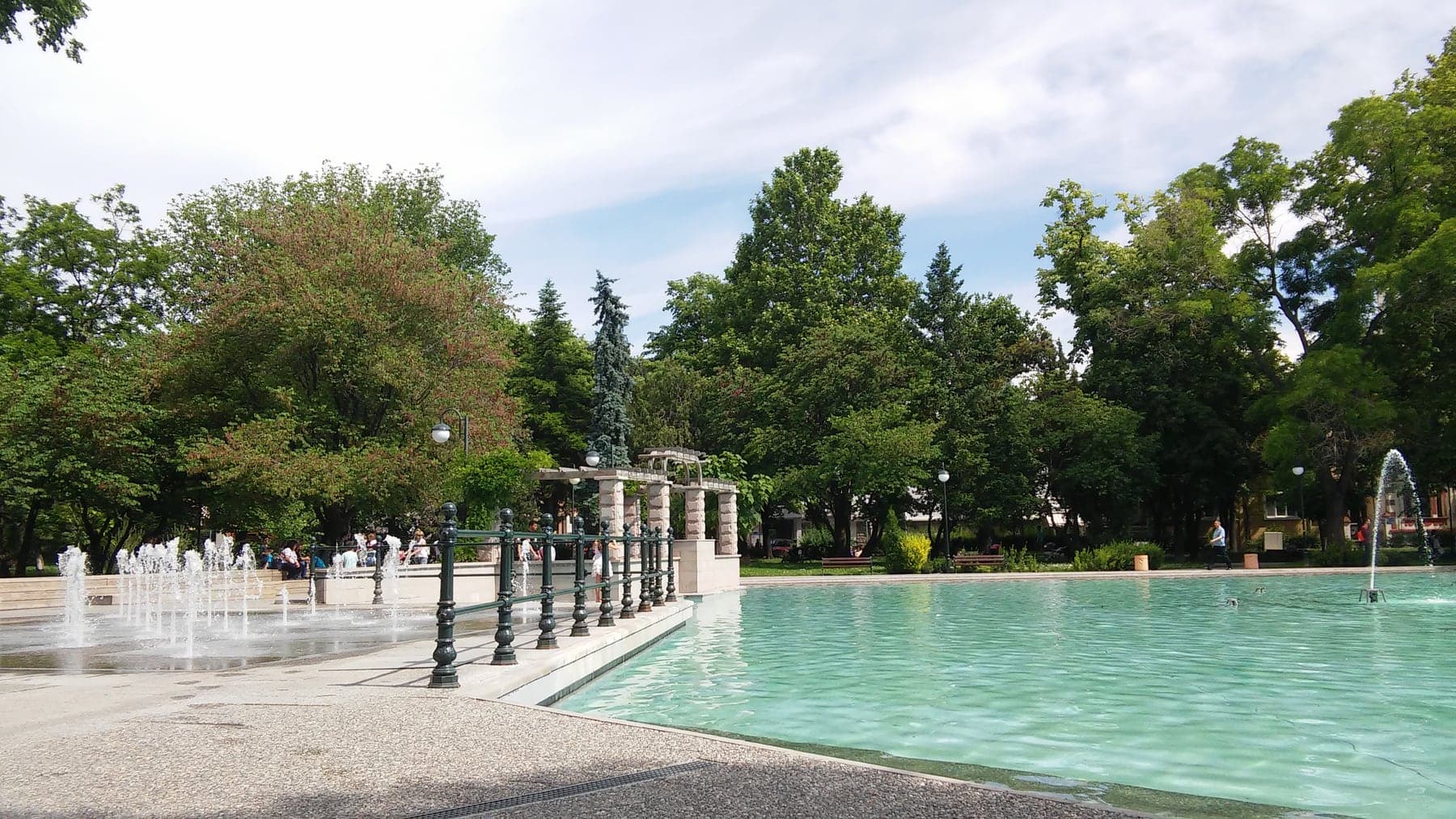
The pedestrian centre connects the Roman Stadium, public squares, shops, and one of the city's best-loved gardens.
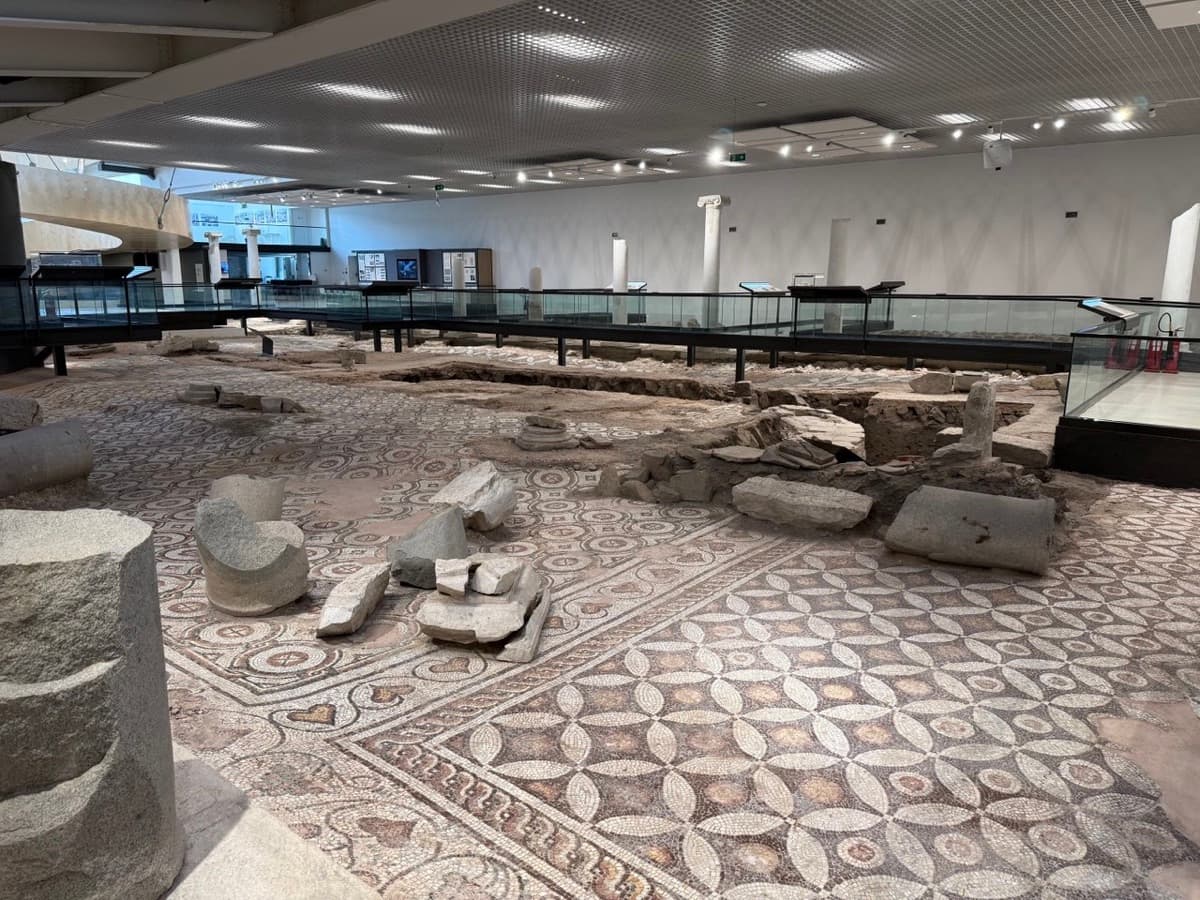
An ancient basilica with remarkable early Christian mosaics, displayed in a modern visitor centre close to the city centre.
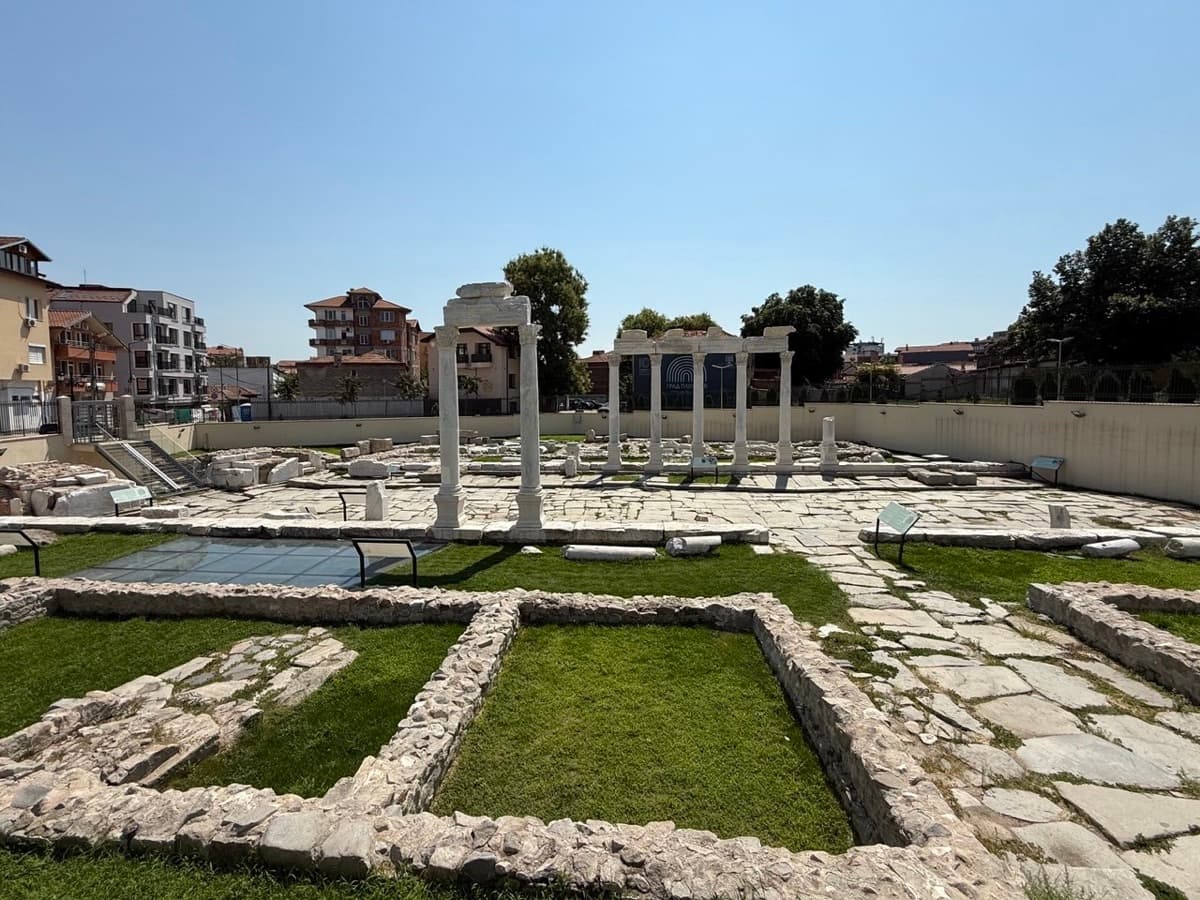
The monumental eastern entrance to the ancient city reveals a broad Roman street, stone paving, and remains of colonnades.
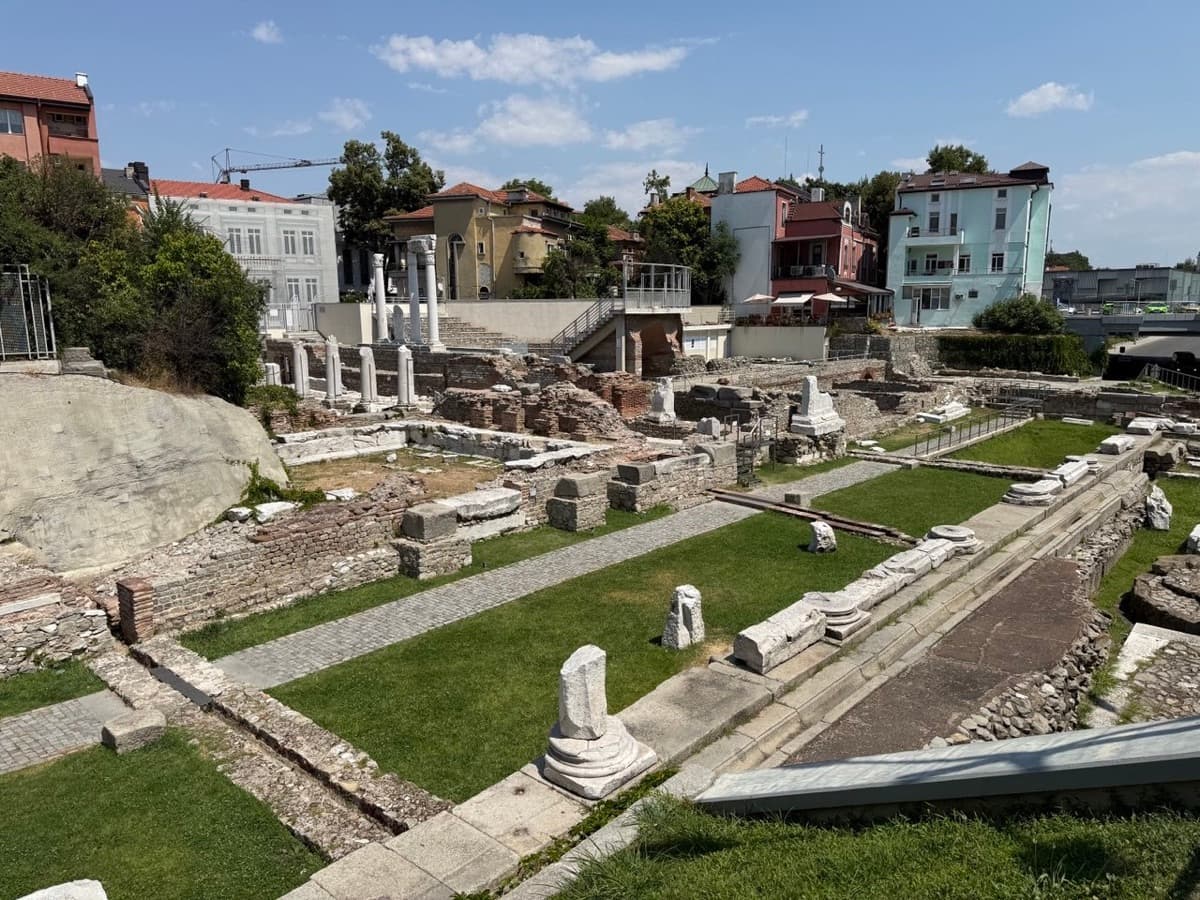
The western part of the Roman city's central square reveals remains of colonnades, public buildings, and commercial spaces.
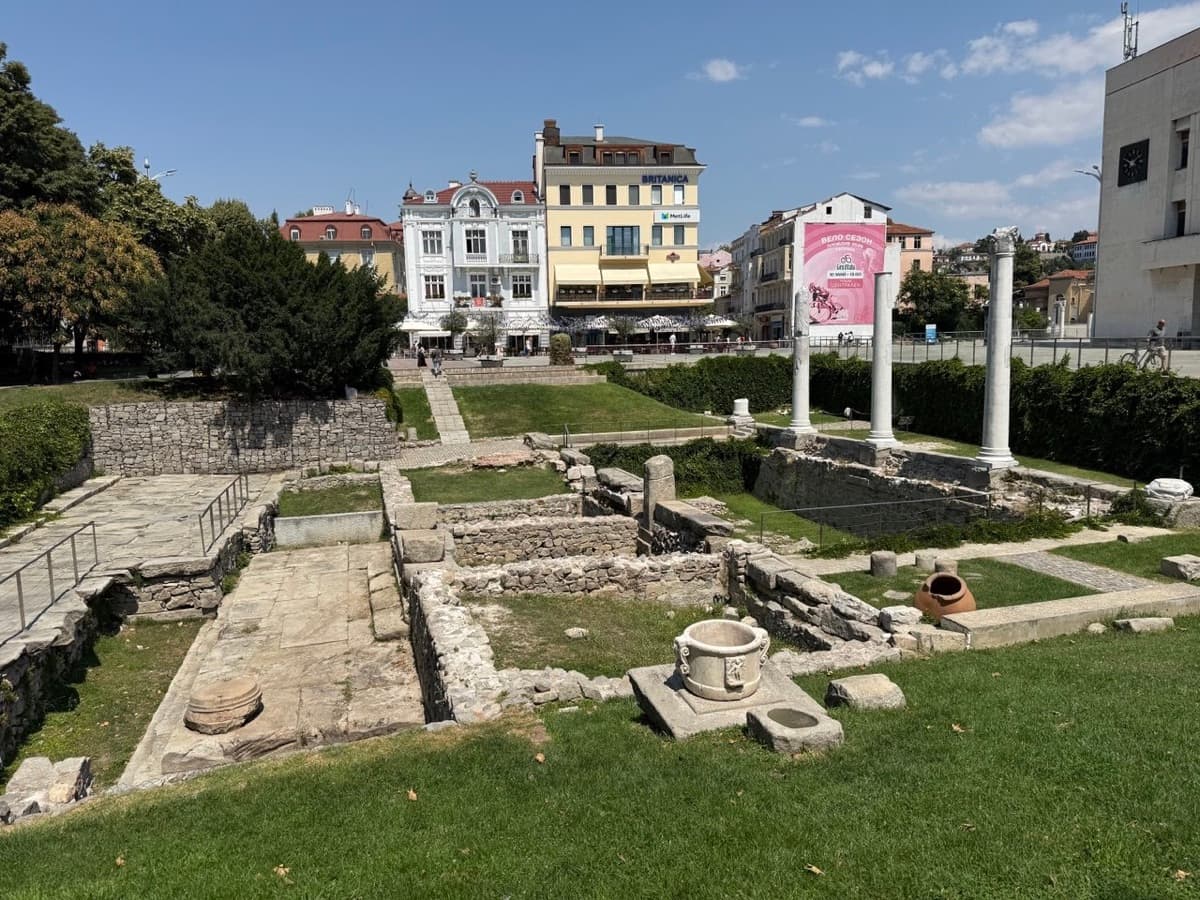
The northern part of the ancient forum preserves archaeological remains in the heart of modern Plovdiv.
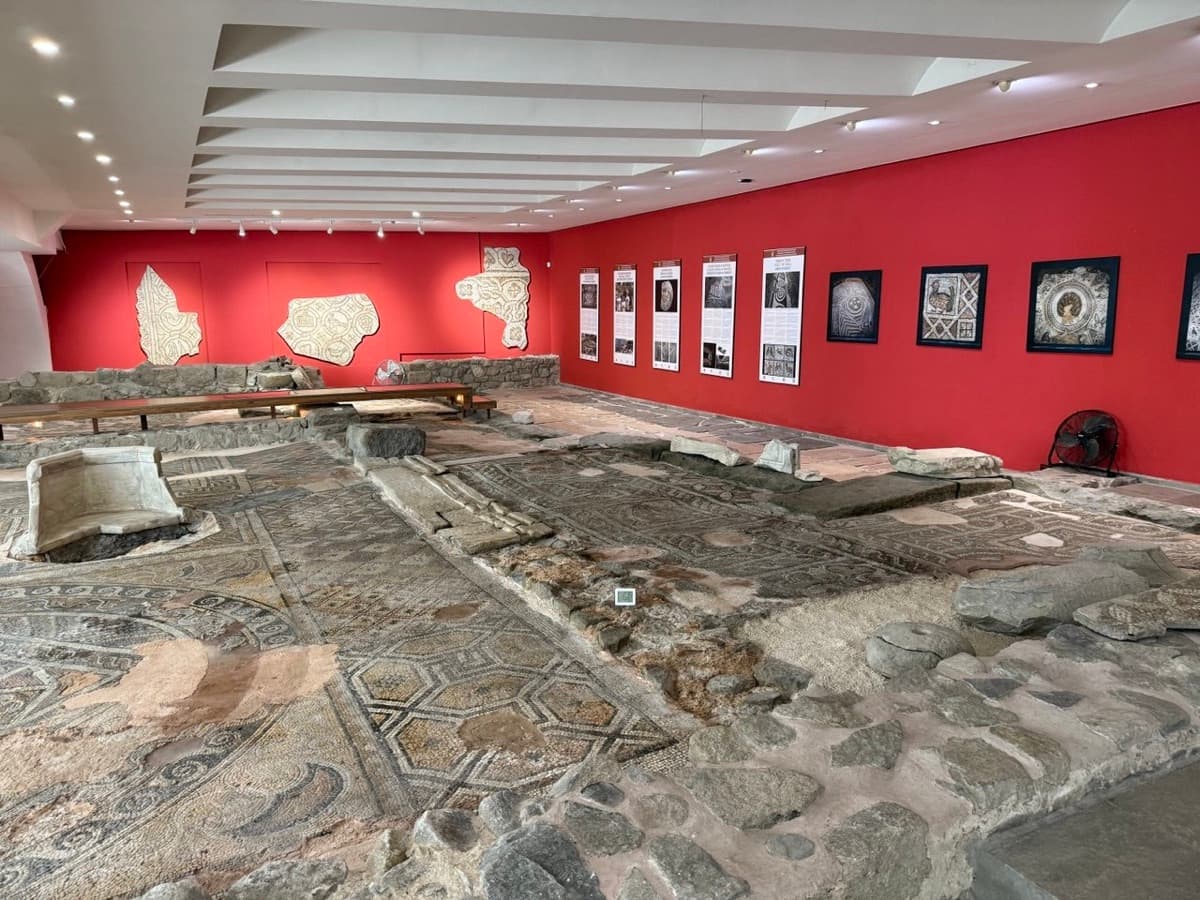
An ancient residence with richly decorated fourth- and fifth-century mosaics, preserved in situ in the Archaeological Underpass.
Plovdiv is a convenient base for cultural, nature, and spa trips across the region. Journey times should be checked for your chosen transport.
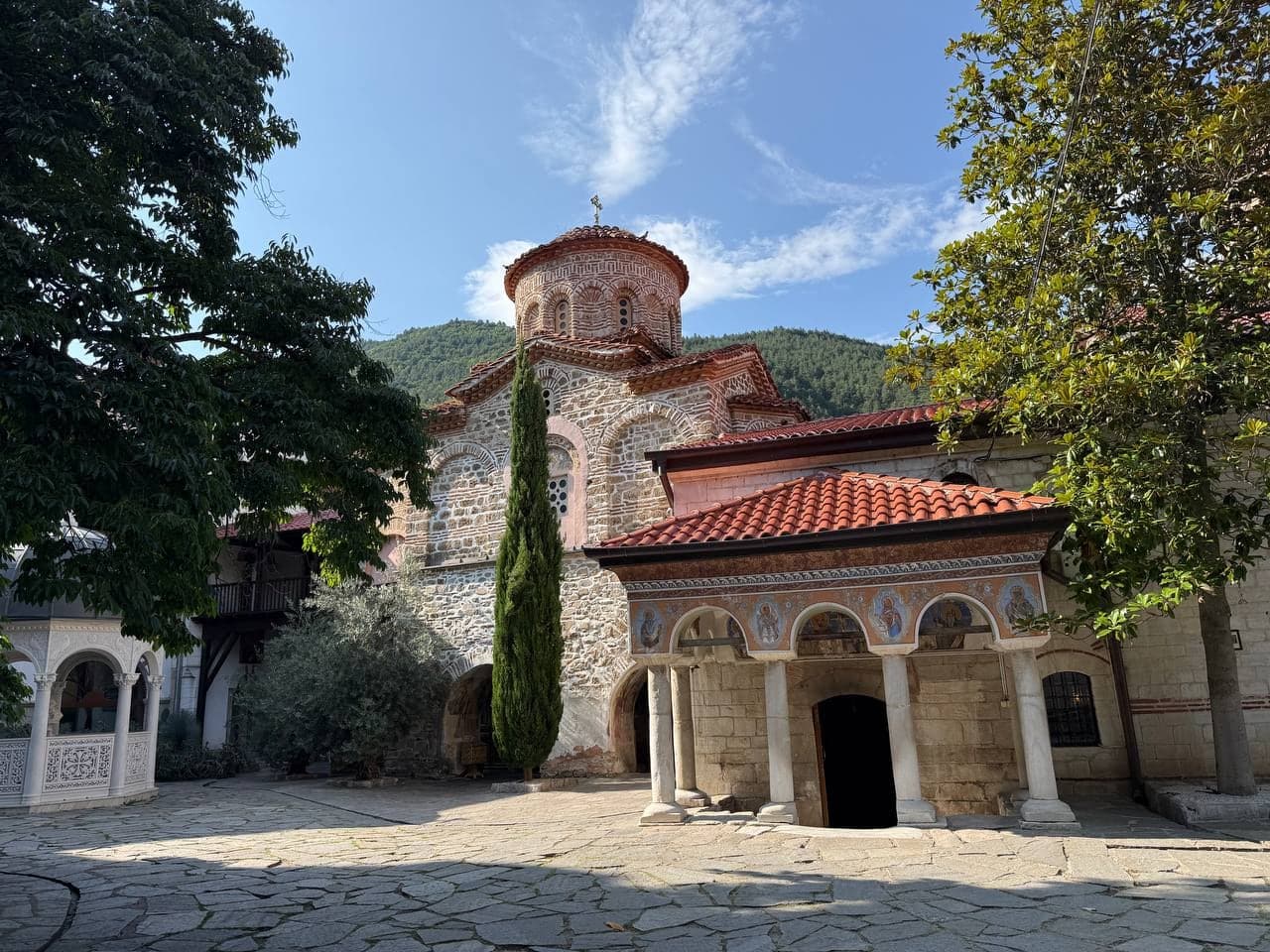
A historic Orthodox monastery at the foot of the Rhodope Mountains, easily combined with a nature excursion.
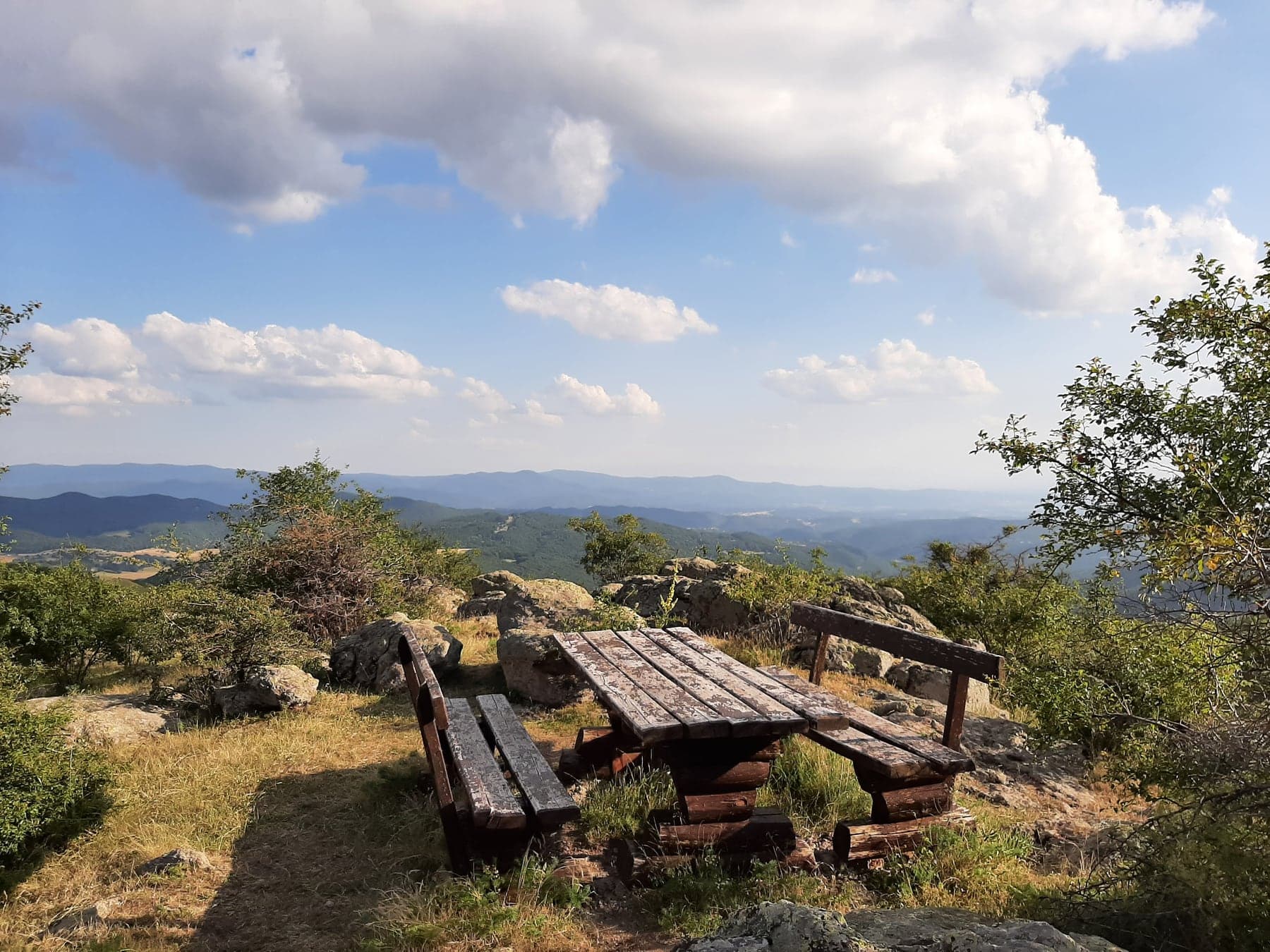
Mountain landscapes, villages, and walking routes lie within convenient reach to the south of Plovdiv.
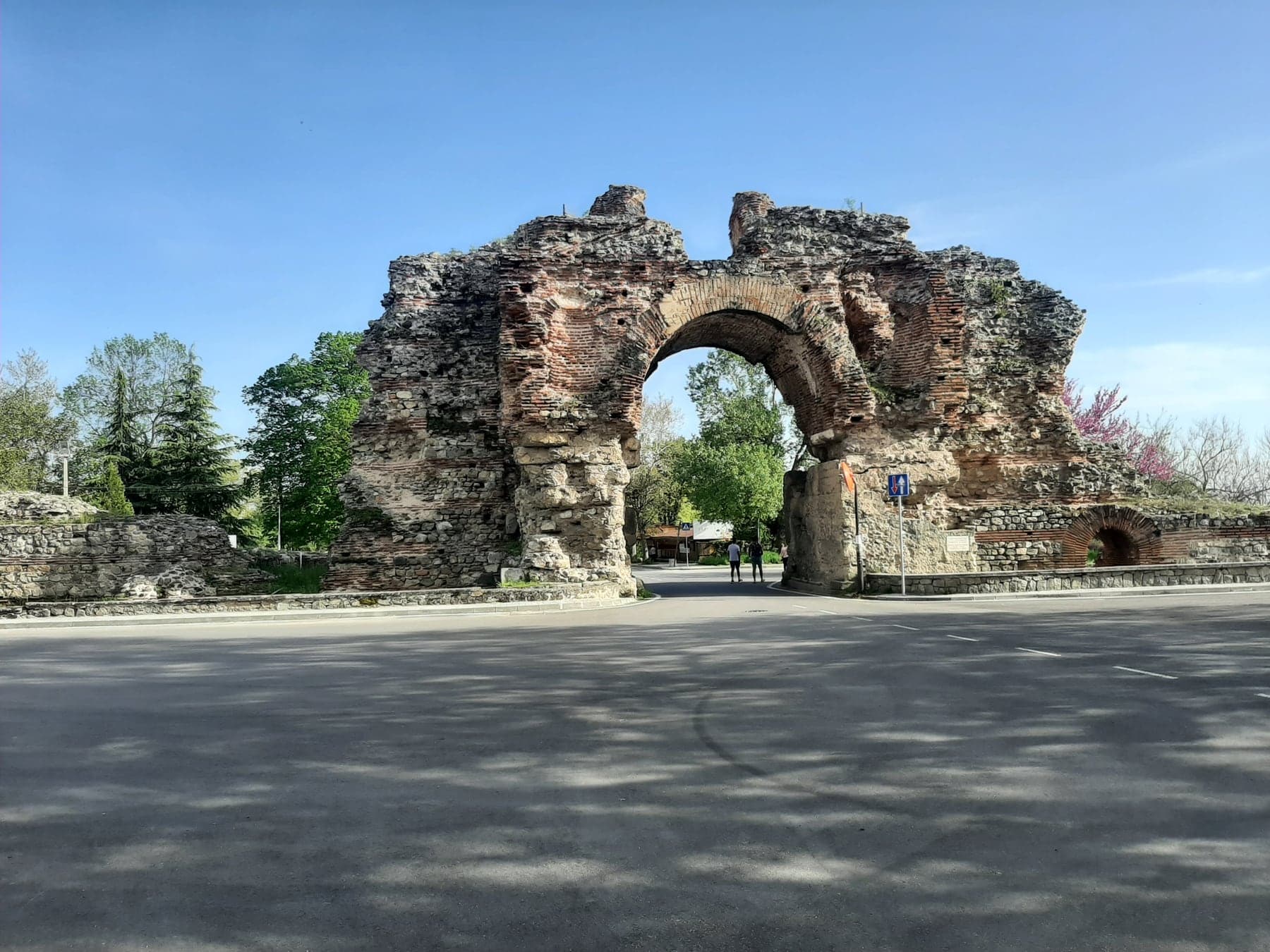
A town known for its mineral springs and well-preserved sections of late Roman defensive walls.
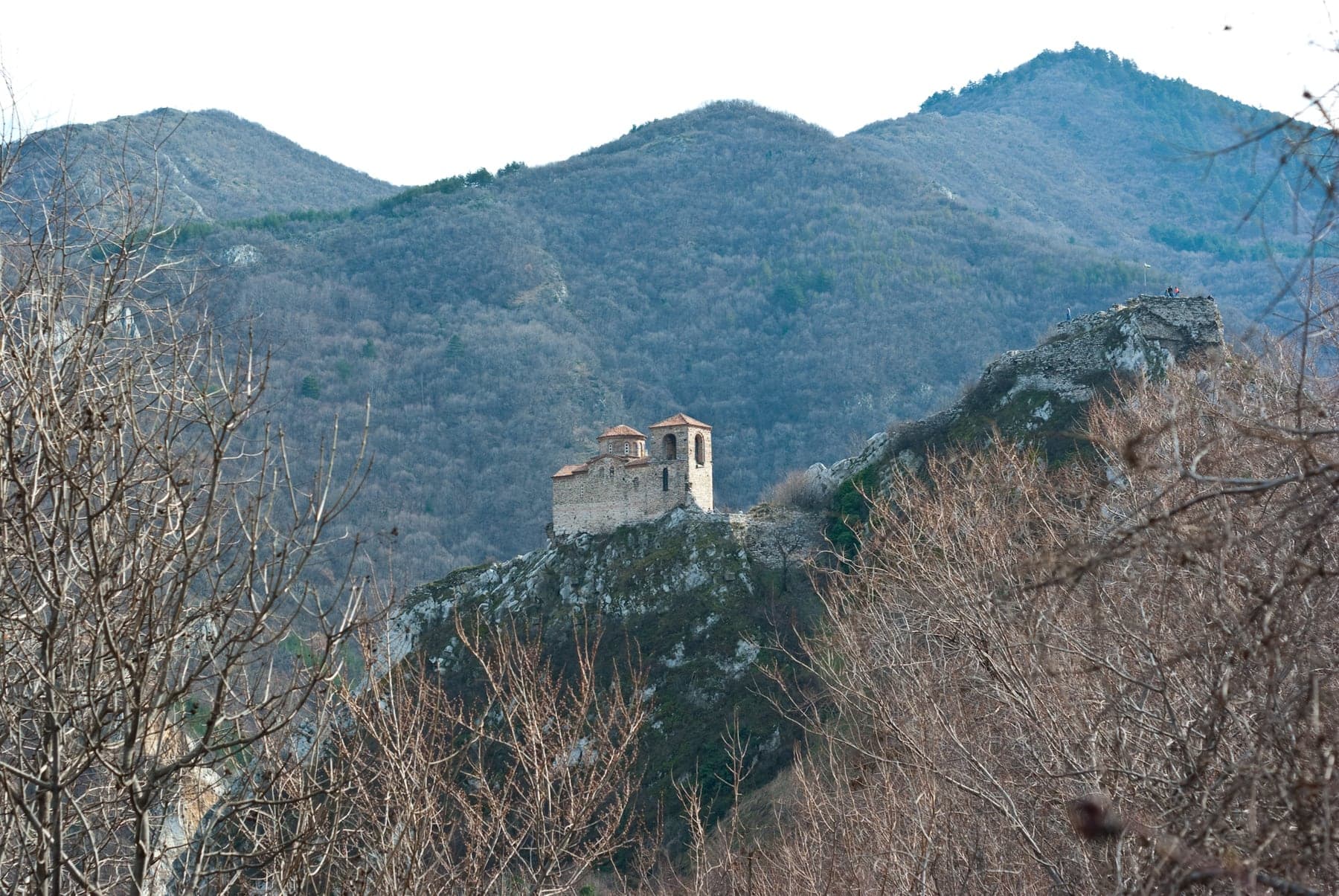
A medieval fortress on a rocky ridge above Asenovgrad, known for its preserved church and panoramic views towards the Rhodope Mountains.